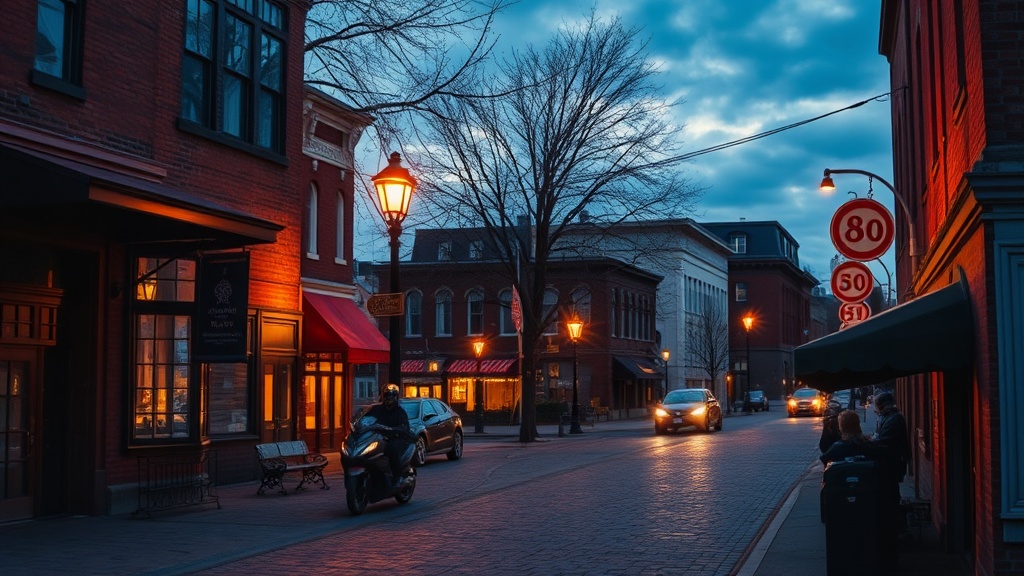
Exploring the Historic Footsteps of Uptown Saint John

The red brick of the City Market smells of salt air and fresh sourdough, while the cobblestone streets of Germain Street feel uneven under your boots. This post explores the historical landmarks of Uptown Saint John, focusing on the architectural heritage and the specific sites that define our city's identity. Understanding the history of our downtown isn't just about dates; it's about recognizing the resilience of a city that has rebuilt itself time and again after fires and floods.
Saint John is a city built on grit. We aren't just a collection of old buildings; we are a living record of Atlantic Canadian history. From the massive stone facades of the Victorian era to the smaller, more intimate alleyways, there's a story behind every corner. If you're planning a walk through the core, you'll want to know which spots are worth your time and which ones hold the most weight in our local lore.
What are the Must-See Historical Landmarks in Uptown Saint John?
The most significant landmarks are the Saint John City Market, the Reversing Falls, and the various Victorian-era stone buildings along Germain and King Streets. The City Market, established in 1821, is the beating heart of our downtown and serves as a primary example of how commerce and community have intersected for two centuries.
Walking through the market, you'll see more than just produce. You'll see the way our local economy has shifted from heavy industry to a mix of tourism and boutique local trade. It's a place where the past feels present. You might grab a coffee at one of the local vendors and realize you're standing in a space that has seen thousands of people do the exact same thing over the last 200 years.
Beyond the market, the architecture tells a story of survival. After the Great Fire of 1877, the city rebuilt with much heavier stone and brick. This was a deliberate choice to ensure that what happened to the wooden structures of the past wouldn't happen again. It's a visible mark of a city that learned a hard way about fire safety and urban planning.
If you're interested in the technical side of our history, the Wikipedia page for Saint John, New Brunswick offers a deep dive into the municipal history and the various eras of development that shaped the skyline we see today.
A Comparison of Historic Eras in Saint John Architecture
Not every building in Uptown was built at the same time. You can actually spot the difference if you look closely at the masonry and window styles.
| Era/Style | Common Materials | Defining Features |
|---|---|---|
| Victorian/Post-1877 | Red Brick, Granite | Heavy ornamentation, sturdy stone bases, high ceilings. |
| Early Colonial | Timber, Fieldstone | Simpler lines, more utilitarian, often found in older alleyways. |
| Modern/Industrial | Concrete, Steel | Functionalist, flatter facades, often seen near the waterfront. |
It’s easy to walk past these details without a second thought, but once you start looking, you can't unsee them. The way the light hits the old brickwork on a foggy afternoon is something special.
Why is the Reversing Falls Important to Saint John's History?
The Reversing Falls is a natural phenomenon caused by the massive tidal shifts of the Bay of Fundy, and it has dictated the development of our city's shipping and transport for centuries. The extreme tides don't just change the water levels; they change the very direction of the river's flow, which has historically presented both a challenge and an opportunity for local sailors and merchants.
Before we had modern locks and controlled-flow systems, the falls were a massive hurdle for anyone trying to navigate the river. It shaped how we used our waterfront and how we interacted with the sea. Even today, the sight of the water churning and reversing is a reminder of the raw power of the Atlantic. It’s not just a tourist attraction—it's the reason our port exists in this specific way.
When you visit the falls, you're witnessing a geological process that has remained unchanged while the city around it evolved. It’s a stark contrast to the built environment of Uptown. One is man-made and rigid; the other is wild and unpredictable. If you're planning a visit, you'll want to track the tides so you don't miss the most dramatic part of the cycle.
The relationship between the city and the water is complicated. We love the ocean, but we also respect its ability to disrupt our lives. This is a recurring theme in our history—the constant negotiation between human progress and the natural forces of the Bay of Fundy.
Where Can You Find the Best Views of the Waterfront?
The best views are located at the end of King Street or from the elevated walkways near the Reversing Falls Rapids Park. These spots provide a clear view of the interaction between the river and the ocean, offering a perspective on the scale of the tides.
If you want a more urban view, head toward the waterfront boardwalk. The view from the street level is different than the view from the heights. From the street, you feel the weight of the buildings. From the park, you feel the scale of the water. Both are essential to understanding the "feel" of Saint John.
Here are a few spots to consider for your next walk:
- The City Market Steps: Great for people-watching and feeling the pulse of the downtown.
- The Waterfront Boardwalk: Perfect for a breezy walk and seeing the ships in the harbor.
- Reversing Falls Footbridge: This is where you get the most intense view of the water's power.
- Upper Uptown Slopes: Higher elevation points that give you a sense of the city's layout.
One thing to keep in mind: the weather changes fast here. A clear view can turn into a thick, grey wall of mist in minutes. If you're out exploring, don't be caught off guard. I've learned the hard way that a light jacket isn't enough when the fog rolls in. You might want to check out my guide on surviving fog season before you head out.
The history of this city isn't just found in textbooks. It's found in the texture of the walls, the tilt of the streets, and the way the river fights against the tide. When you walk through Uptown, you aren't just walking through a business district; you're walking through a monument to Atlantic resilience. It's a heavy, beautiful thing to realize.
The next time you're grabbing a coffee or heading to a meeting, look up. Look at the cornices on the buildings. Look at the way the stone is weathered. There is a lot more to this place than just a downtown core. There's a soul here, and it's written in brick and stone.