What's the Real Cost of Winter in Saint John? (Beyond Your Heating Bill)

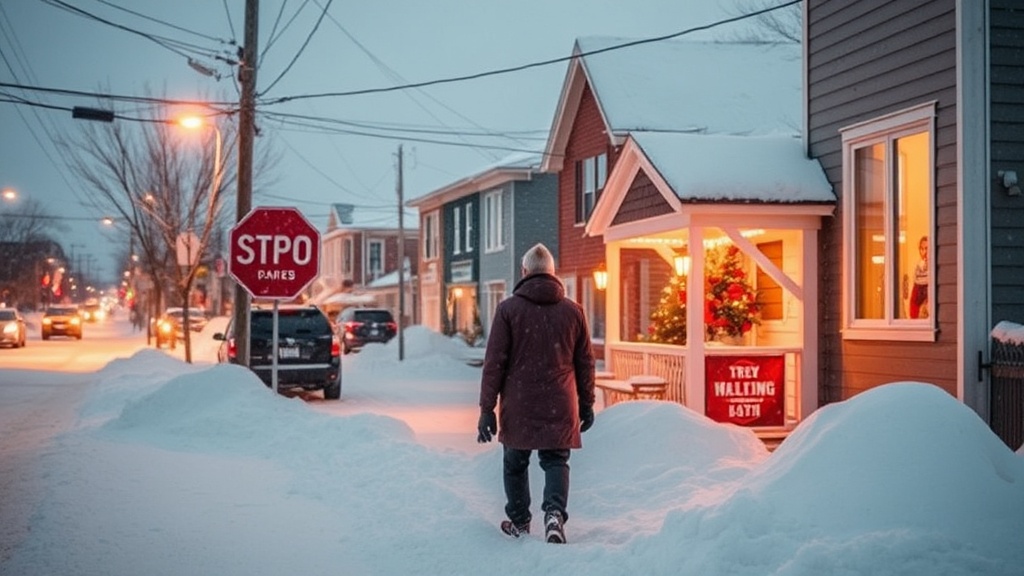
You wake up on a Tuesday in January. It's still dark outside at 7:30 a.m. Your car is buried under last night's snowfall, and the thermometer on your porch reads -18°C with the wind chill. If you're new to Saint John — or if you've been here for decades but still feel like winter catches you off guard every single year — you're not alone. Our winters aren't just cold. They're wet, icy, windy, and surprisingly expensive if you don't plan ahead.
This isn't a tourist guide about pretty snow pictures. This is what you actually need to know to get through a Saint John winter without draining your bank account or losing your mind. From the specific ways our coastal location messes with forecasts to the local services that'll save you when you're in a bind, here's what living here from December through March really looks like.
Why Does Saint John's Winter Weather Feel So Much Worse Than the Forecast?
Here's the thing about living in Saint John — the weather app on your phone is basically guessing. Our position on the Bay of Fundy creates microclimates that can shift dramatically between the North End, the South End, and Millidgeville. You might have clear skies on the West Side while Uptown is getting hammered with freezing rain.
The Weather Network's Saint John forecast tries its best, but locals know to check the conditions at multiple spots around the city before making plans. That wind coming off the water doesn't just make things feel colder — it creates ice where you don't expect it and can turn a manageable snowfall into drifts that block your driveway in under an hour.
If you're commuting from Rothesay or Quispamsis into Saint John for work, you've probably experienced the phenomenon where you leave home in clear weather and hit a whiteout on the Harbour Bridge. The elevation changes around our city mean conditions vary block by block. Smart locals keep a scraper, a small shovel, and a bag of sand or kitty litter in their trunk from November through April — not because they're paranoid, but because they've been stuck on Somerset Street waiting for a tow that takes three hours to arrive.
What Local Services Should You Actually Pay For During Winter?
Let's talk money. Winter in Saint John will cost you — but you get to choose where those dollars go. The city plows main roads reasonably well, but good luck with side streets in the older neighbourhoods. If you live anywhere near the original city limits (basically anything built before 1950), you've probably watched a plow bury your driveway entrance after you spent an hour clearing it.
Here's what experienced Saint John residents budget for:
- Snow removal services: If you have a driveway, paying someone for the season runs anywhere from $300 to $800 depending on your neighbourhood and driveway size. Guys with trucks advertise on Kijiji and local Facebook groups, or you can go with established companies like services tracked through the city's winter operations page. Book early — the reliable ones fill up by November.
- Winter tires: Not optional here. All-seasons turn into hockey pucks on our freeze-thaw cycles. Expect to pay $600-$1,200 for a decent set mounted and balanced. Pro tip: Canadian Tire on the West Side and Costco in East Saint John both run pre-season sales in October.
- Emergency heat sources: Power outages happen when ice builds on lines or when those Fundy winds kick up. A small generator or at minimum a propane heater designed for indoor use can keep your pipes from freezing when NB Power is working on restoration.
- Salt and sand: Buy these in bulk before the first storm hits. Hardware stores around Saint John — think Home Hardware on Charlotte Street or Kent in the Plaza — often run out by mid-December.
The city offers a snow and ice control program, but don't expect your residential street to see a plow until the main arteries are clear. That's just reality. If you rely on street parking, have a Plan B for where you'll put your vehicle when the snow ban kicks in.
How Do You Keep Your House Warm Without Going Broke?
Energy costs in Saint John hit differently in winter. Our older housing stock — all those beautiful Victorian homes in the South End and the character places in the North End — bleeds heat like a sieve. If you're renting in one of these spots, you probably wear sweaters indoors and still dread the Enbridge Gas bill that shows up in February.
Here's what actually moves the needle on your heating costs:
Seal the gaps first. Weatherstripping around doors and windows costs maybe $30 at Home Depot and can save you hundreds over a season. Pay special attention to any exterior doors that face the water — that Fundy wind finds every crack. If you live in a heritage property with original windows, plastic film kits are ugly but effective. Put them up in November and take them down in April.
Get your furnace serviced. A tune-up runs $100-150 and catches problems before you're calling for emergency service on the coldest night of the year. Companies like Aire Serv and local independents book up fast, so schedule this in October.
Use the sun. South-facing windows in Saint John get decent light even in December. Open curtains during the day to capture that free heat, then close them at sunset to trap it in. Heavy curtains aren't just decorative — they're functional insulation.
For renters: talk to your landlord about the Province of New Brunswick's energy efficiency programs. Some upgrades qualify for rebates, and while your landlord has to initiate the work, it doesn't hurt to ask. At minimum, request they check the attic insulation — that's where most heat escapes in our older buildings.
Where Should You Go When Cabin Fever Hits?
By February, even the hardiest Saint John resident starts feeling the walls close in. The days are short, the streets are icy, and you've memorized every crack in your ceiling from staring at it too long. Here's where locals go to remember that human interaction exists.
The Saint John Free Public Library — specifically the central branch on Market Square — runs programming all winter. It's warm, it's free, and you don't have to buy anything to sit there for hours. Their local history section is genuinely excellent if you want to learn about the city while staying out of the cold.
Canada Games Aquatic Centre on Union Street offers day passes for swimming and the sauna. That hot tub hits different when you've been freezing all week. They also run drop-in fitness classes if you need to move your body somewhere that isn't your living room.
Imperial Theatre and Theatre New Brunswick both have winter seasons. Tickets are reasonable compared to bigger cities, and both venues are right in Uptown so you can grab dinner nearby (México Lindo on Canterbury Street is a local favourite) and make an evening of it.
Walking the indoor route: When weather permits a brisk walk but you don't want to deal with ice, the Boardwalk and City Market area lets you stay mostly indoors while getting steps in. Start at Market Square, walk through the pedway system, and loop through the mall. It's not glamorous, but it works.
What Should Be in Your Saint John Winter Emergency Kit?
Power outages in Saint John tend to happen at the worst possible times. Ice storms, high winds, or equipment failures can leave neighbourhoods in the dark for hours or days. Here's what you actually need on hand — not the prepper fantasy stuff, just practical items for our specific climate.
For your home: Flashlights and batteries (obviously), but also a battery-powered radio because cell service can get spotty during major weather events. A manual can opener. Bottled water — pipes freeze in older buildings. Non-perishable food for three days. Extra blankets. A first aid kit. And cash, because when the power's out, debit machines don't work and ATMs might be down.
For your car: Blanket, candles and matches (a candle in a car provides surprising warmth), protein bars, water that won't freeze solid (insulate it), jumper cables, tow rope, small shovel, sand or litter for traction, and a fully charged external battery for your phone. If you drive the Fundy Coastal Drive regularly or commute from outlying areas, this stuff isn't optional.
Know your neighbours. Seriously. In a city where winter can isolate people for days, having a phone number for the person next door matters. Check on elderly residents on your street when storms hit. Saint John's community networks — the informal kind, not the organizational kind — are what get us through.
Winter in Saint John isn't something you survive by accident. It takes a bit of planning, a bit of money spent in the right places, and a willingness to adapt when the weather decides to remind you who's really in charge. But there's something about emerging from your house on that first warm day in April — seeing the snow finally retreat, watching the city wake up — that makes the whole thing feel worth it. Almost.