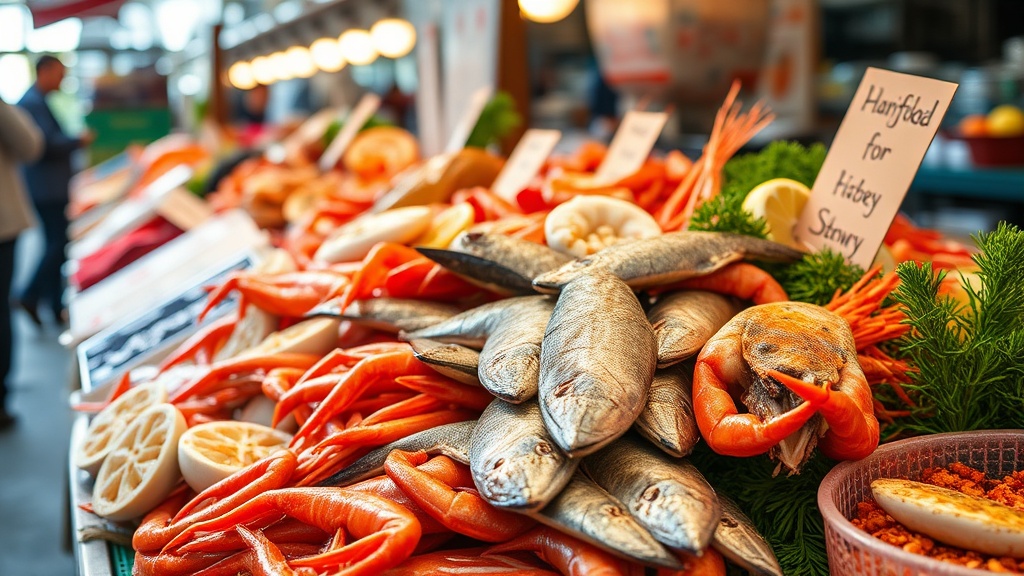
Finding the Best Seafood Harvests at Local Markets

You’re standing at a stall in the Saint John City Market, looking at a pile of Atlantic scallops or a tray of fresh mussels, and you aren't quite sure if you're getting the best catch of the day or just something that's been sitting out too long. This guide covers exactly how to identify high-quality seafood, what to look for in seasonal harvests, and how to shop the local markets in New Brunswick and the wider Atlantic region to ensure you're getting peak freshness. Knowing the difference between a mediocre haul and a premium harvest saves you money and, more importantly, ensures your dinner actually tastes like the ocean.
The Atlantic coast is one of the most productive fishing regions in the world. We have a massive advantage living here in Saint John. We are sitting right next to the source. But there's a catch—if you don't know what to look for, you might end up with subpar product even at a local market.
How Do You Identify Fresh Atlantic Seafood?
The easiest way to identify fresh seafood is by relying on your senses: look for clear eyes in fish, a mild scent rather than a "fishy" one, and firm, bouncy flesh. If you're buying shellfish, the shells should be tightly closed or close immediately when tapped.
When you're browsing the stalls, don't be afraid to get close. Most vendors at the Saint John City Market are happy to let you take a closer look. If a fish has cloudy, sunken eyes, it’s a bad sign. You want eyes that are bright, clear, and bulging slightly. If the gills are a dull grey instead of a vibrant, bright red, move on to the next stall.
For shellfish, the rules change slightly. If you are buying live mussels or clams, give the shell a little tap. If the shell stays open, the animal is dead and shouldn't be purchased. A living mussel will snap shut instantly when stimulated. It's a simple test, but it's the difference between a great meal and a night of stomach issues.
Here is a quick checklist for your next market run:
- Smell: It should smell like the sea or even slightly sweet, never ammonia or "fishy."
- Texture: The meat should be firm. If you press it with a finger, it should spring back.
- Color: Look for natural, vibrant colors. Avoid any fish that looks yellowish or dull.
- Moisture: The fish should look moist, but not be sitting in a pool of liquid.
What Are the Best Seasonal Seafood Harvests in New Brunswick?
The best seafood to buy depends entirely on the current season and what is currently being harvested in the Bay of Fundy and surrounding waters. In the Atlantic provinces, seasonality dictates both price and quality.
Spring and early summer are fantastic for certain types of shellfish, but you really want to watch the cycles. For example, Atlantic lobster is a staple here, but the quality of the meat can vary based on the time of year and the local Department of Fisheries and Oceans regulations regarding harvesting seasons.
If you're looking for scallops, the late summer and fall often yield incredible results. When you're at the market, ask the vendor directly: "What came in this morning?" A good vendor won't just tell you what they have; they'll tell you what's peaking right now. That's the kind of insider info that separates a casual shopper from a pro.
Below is a general guide to what to look for during different times of the year in our region:
| Season | Top Picks | What to Look For |
|---|---|---|
| Spring | Cod, Haddock | Bright white flesh, firm texture. |
| Summer | Lobster, Scallops | Active movement in live lobsters, plump scallops. |
| Fall | Oysters, Mussels | Heavy shells, tightly closed. |
| Winter | Smelt, Salmon | High oil content, vibrant color. |
Note that while salmon is widely available year-round, the best "wild" experiences are often seasonal. Don't settle for mediocre farmed options if you can find the seasonal wild-caught variety nearby.
How Much Does Local Seafood Cost at Markets?
The cost of local seafood varies significantly based on the species, the current market demand, and the specific harvest season. Generally, you can expect to pay a premium for highly seasonal or high-demand items like Atlantic lobster or jumbo scallops.
Here's the thing: "cheap" can be expensive in the long run. If you see a tray of scallops that is priced significantly lower than every other vendor in the market, be suspicious. They might be older, or they might be frozen and thawed—which isn't necessarily a crime, but it changes how you should prepare them. Frozen-at-sea (FAS) products are actually quite high quality, but you want to ensure you aren't paying "fresh" prices for "frozen" quality.
If you're on a budget, look for the "catch of the day" or less "glamorous" fish like haddock or pollock. These are often much more affordable but still taste incredible when prepared correctly. I often find that a well-seasoned piece of haddock can beat a mediocre, overpriced lobster any day of the week.
Worth noting—always check the weight. Sometimes a "deal" on a whole fish is actually more expensive per pound than a pre-filleted piece once you account for the weight of the head and bones you're throwing away. Do the math in your head (or on your phone) before you commit.
Pro Tips for Market Shopping
If you want to truly master the art of the local harvest, you need to change how you approach the market stalls. It isn't just a grocery run; it's an interaction. If you're a regular, the vendors will start saving the best stuff for you. (And yes, that actually happens.)
- Go early: The best harvests are often snapped up in the first hour of the market opening. If you show up at 11:00 AM, you're looking at the leftovers.
- Bring your own gear: Bring an insulated bag. This is non-negotiable. If you're walking around the market after buying fish, that heat is your enemy.
- Ask about the origin: Don't just ask "Is this fresh?" Ask "Where was this caught?" A vendor who can tell you the specific bay or region is a vendor who knows their product.
- Check the weight: If you're buying by the pound, make sure the scale is clearly visible and the weight is reasonable.
The local economy in New Brunswick relies on these small-scale interactions. When you buy from a local vendor, you aren't just getting a meal; you're supporting the people who actually pull these products from the water. It's a different kind of value than what you'll find in a big-box grocery store chain.
One thing I've learned over the years is that the best seafood isn't always the most expensive. Sometimes it's the humble piece of mackerel or the small, perfectly sized mussels that end up being the star of the table. It's all about knowing the rhythm of the coast. The ocean provides, but you have to be smart enough to catch it at the right time.
Don't be intimidated by the specialized terminology. You don't need to be a marine biologist to eat well. Just use your nose, your eyes, and a bit of common sense. If something looks off, it probably is. Trust your gut—it's usually right.
Steps
- 1
Visit during peak market hours
- 2
Check for seasonal availability
- 3
Ask vendors about the catch date
- 4
Inspect the clarity and scent of seafood